
Funding
We pursue sustainable funding to ensure every person can receive care without choosing between health and basic needs.
The Kalkiism Research Center (KRC) is an economic and social research institution founded by 15 top economists from
all government colleges in Kathmandu, including the Central Department of Economics, TU. Our mission is to drive a new economic revolution that
guarantees free healthcare, education, and legal services for all Nepalis.
“Building a Healthy Nepal, One Person at a Time.”
Everyday, people throughout America struggle with choosing between paying for food and a place to live or going to the doctor and getting their needed medications. Everyday, people throughout America going to the doctor and getting their needed medications.



Everyday, people throughout America struggle with choosing between paying for food and a place to live or going to the doctor and getting their needed medications. Everyday, people throughout America going to the doctor and getting their needed medications.
We pursue sustainable funding to ensure every person can receive care without choosing between health and basic needs.
We provide clinic support that strengthens local centers and expands access to free checkups and treatment.
We advance health equity so underserved communities receive the same quality of care as everyone else.
We invest in education and training to build skilled healthcare workers across Nepal.
We deliver disaster relief that brings medical aid quickly when communities need it most.
We support charitable pharmacies that help patients afford the medications they depend on.
We uphold quality standards that keep every clinic safe, effective, and accountable.
We champion healthcare advocacy that protects patient rights and expands access to essential services.
Everyday, people throughout America struggle with choosing between paying for food and a place g their needed medications. Everyday, people throughout America going to the doctor and getting their to live or going to the doctor and gettin needed medications.
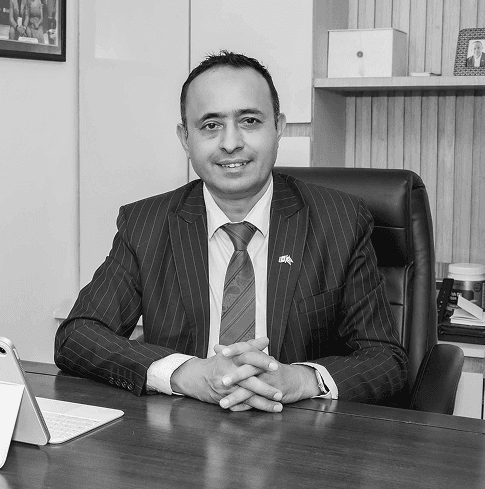
(Chairman of Kalkiism Clinic Center)
Dr. Uma Shankar Prasad has 37 years of experience working with the Government of Nepal, Tribhuvan University, the UN system, bilateral and multilateral organizations, INGOs, and NGOs. He is a former member of the National Planning Commission (NPC) and former Chairman of the Health Insurance Board of the Government of Nepal. He has also served as a member of the HighLevel Cross-Sector Advisory Committee of Madhesh Province.
Dr. Prasad holds a PhD in Economics from Jawaharlal Nehru University and has served as a Guest Researcher at the Institute of Federalism, University of Fribourg, Switzerland. Currently, he is a faculty member at the Central Department of Economics, Tribhuvan University

(Founder)
Jay Sah is the author of 'The Kalkiist Manifesto,' a book that proposes a financial and economic revolution called 'Kalkiism' as a solution to end Kaliyuga, the current age of conflict and suffering, through political change rather than divine intervention
(Chairman of Kalkiism Clinic Center)
Currently, Dr Prasad is a Faculty Member at the Tribhuvan University, and a Chairman of the Research Center For Applied Economics, Kathmandu, Nepal. He is a former Guest Researcher at the Institute for Federalism, University of Fribourg, Switzerland.

(Founder)
Jay Sah is the author of 'The Kalkiist Manifesto,' a book that proposes a financial and economic revolution called 'Kalkiism' as a solution to end Kaliyuga, the current age of conflict and suffering, through political change rather than divine intervention

KRC operates as an independent research institution, advocating for economic policies that will create a corruption-free system and prevent capital flight from Nepal.
Our advocacy led to Nepal's Department of Drug Administration (DDA) banning reserved antibiotics to combat antibiotic resistance.
Over 50 doctors have pledged free healthcare to supporters of the movement.
Healthcare reforms aim to save 20,000 lives annually.

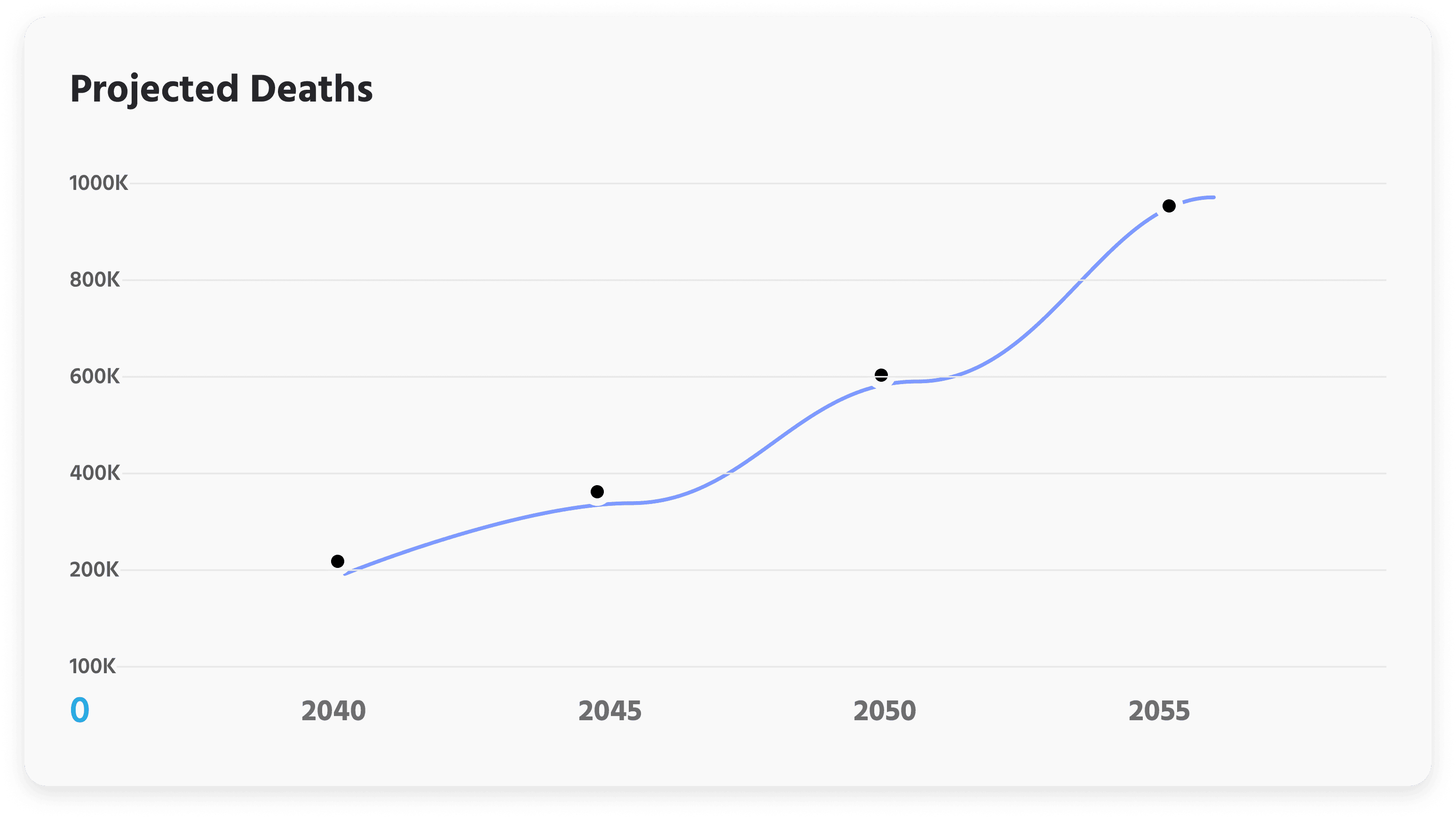
Antibiotic resistance deaths
in Nepal (2025):
6,400 per year
Projected Deaths
if no action is taken.
Suicide / Murder Deaths
Female Feticide
Air Pollution Deaths
Lack of Treatment
Global Warming Effects
Connect with us today and take the first step toward your academic journey in Nepal!